
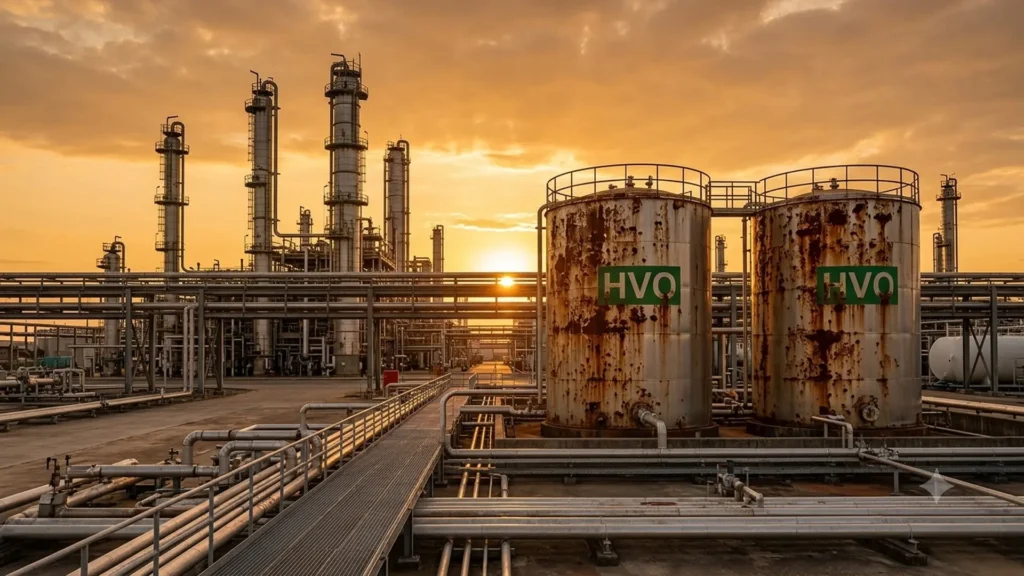
Corrosion in renewable fuels: Refineries in transition
Understand how corrosion in renewable fuels requires new strategies to protect facilities and manage contaminants in bio-oils.
Understand how corrosion in renewable fuels requires new strategies to protect facilities and manage contaminants in bio-oils.
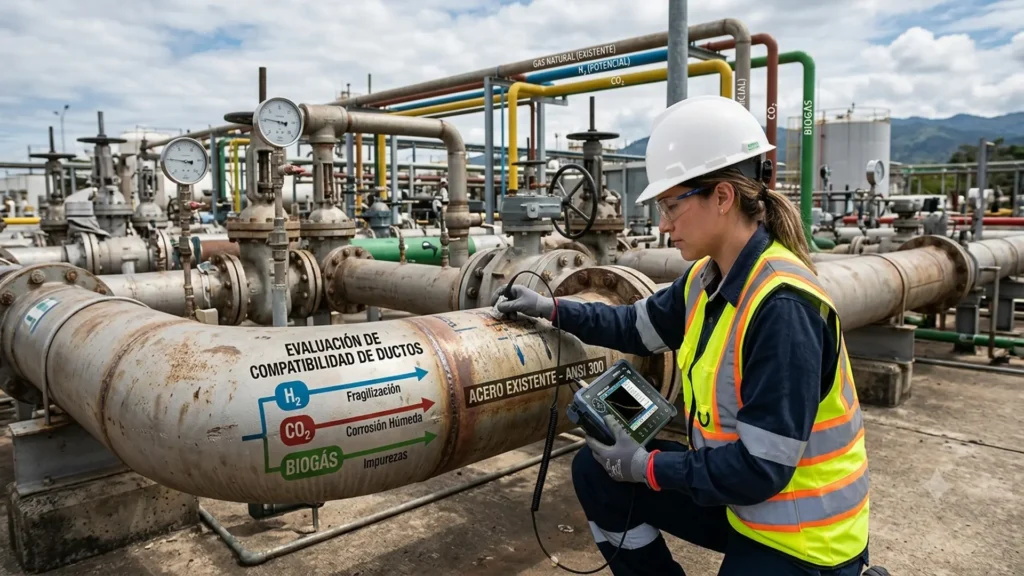
Can existing pipelines transport CO₂, hydrogen or biogas? Discover the key factors that determine pipeline compatibility.
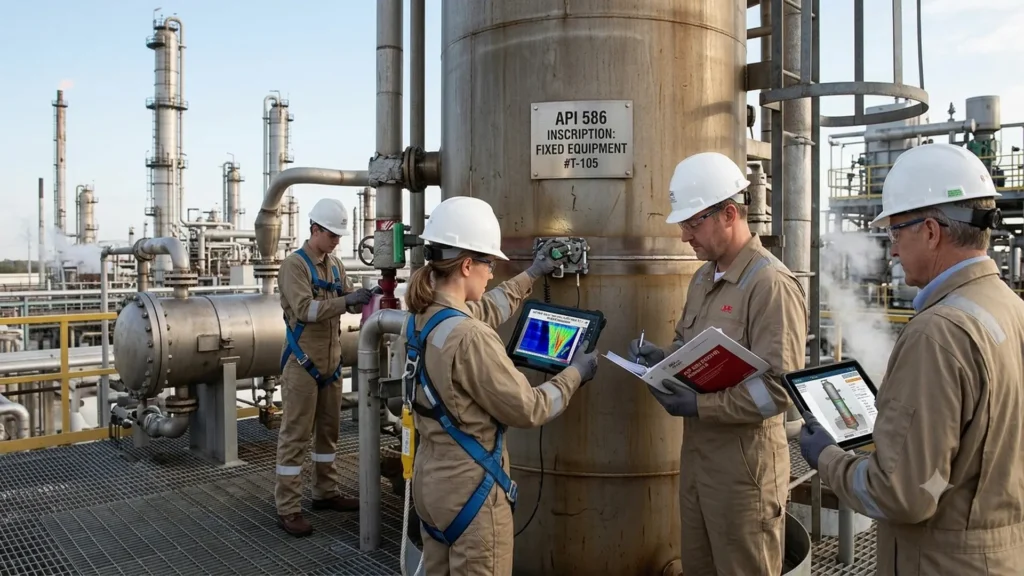
API 586 optimizes the inspection of fixed equipment by linking damage mechanisms to the most effective NDT techniques.
Learn about the operational differences between PCRH and OVP devices in response to induced currents, transient overvoltages, and AC power failures.
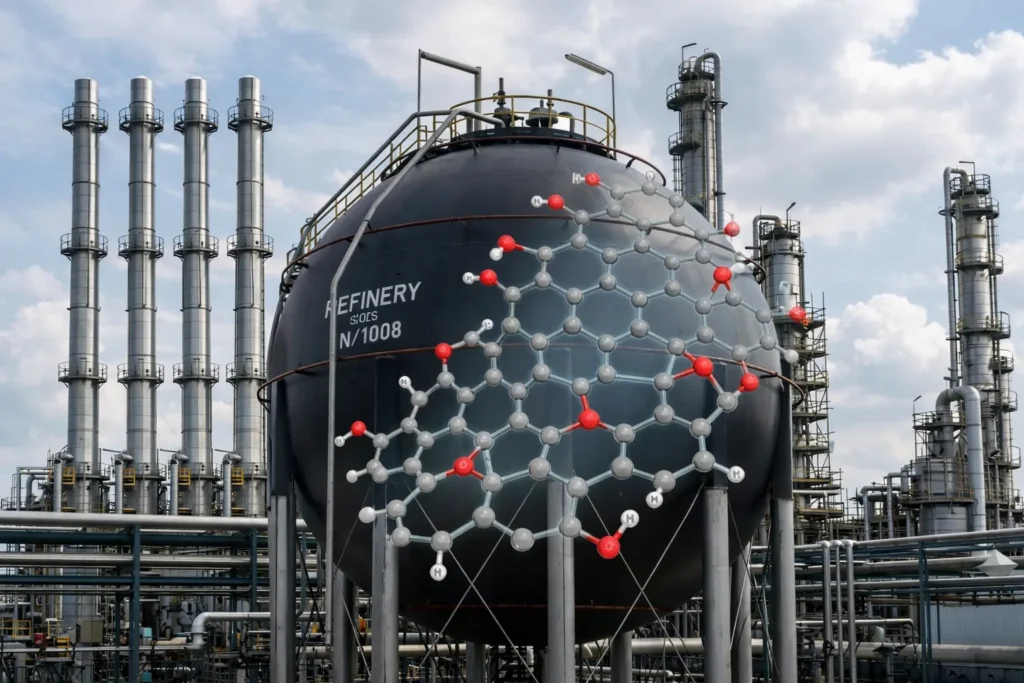
Graphene oxide enables more durable and efficient anticorrosive coatings for industrial applications.
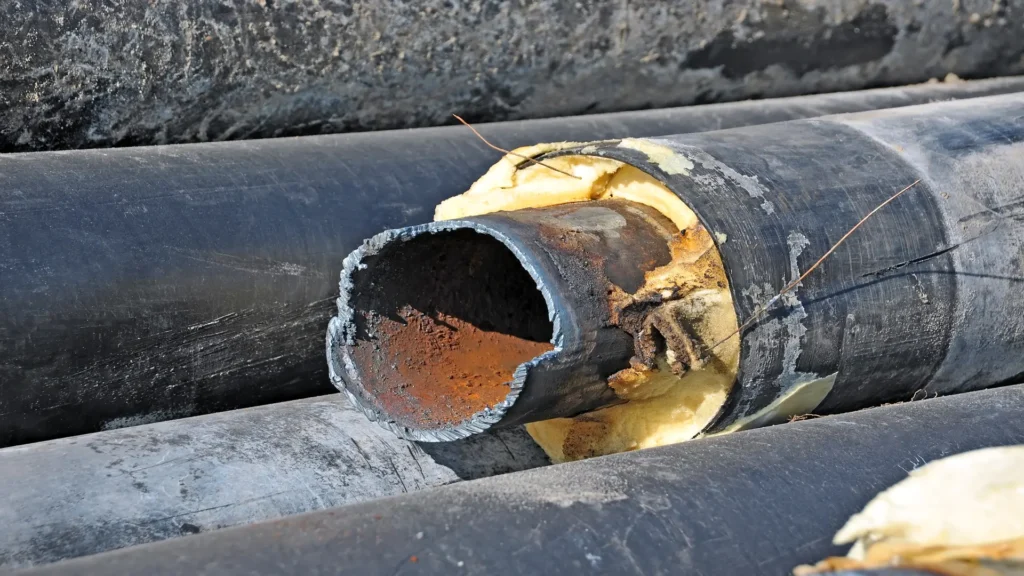
Preventing CUI in stainless steel requires advanced integrity strategies due to its metallurgical complexity compared to carbon steel.
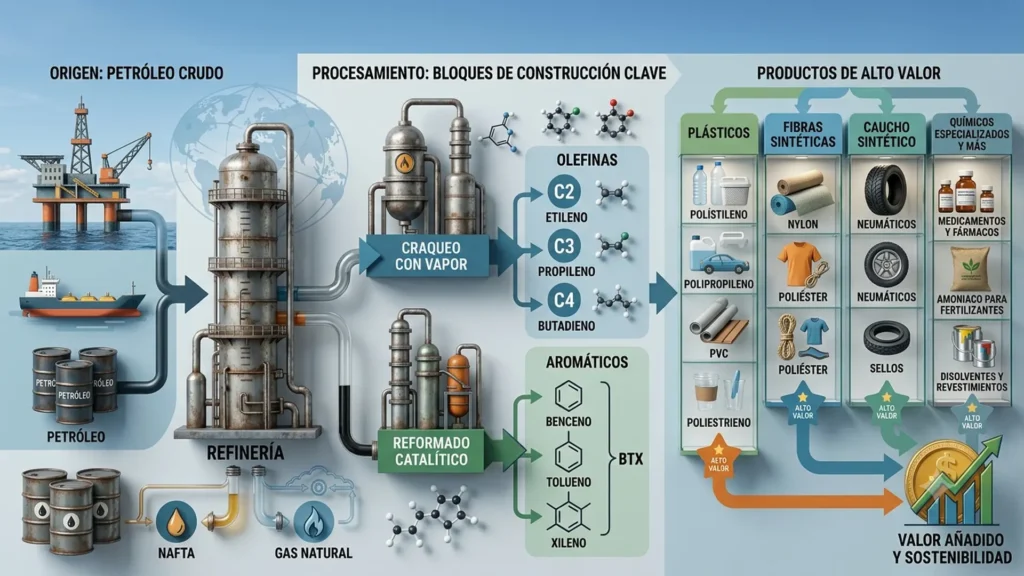
Process in the Petrochemicals industry transforming petroleum fractions and gas into high-value raw materials.

Failure analyses of battery energy storage systems (BESS) significantly improve the safety and operational efficiency of these systems by establishing operating limits that help prevent failures.

Low-temperature heat networks are key for Net Zero by integrating renewable energy to decarbonize cities.

NACE MR0175 establishes material selection requirements to prevent H₂S-induced cracking in sour service environments. Its application is essential for protecting the integrity of pipelines, vessels, and critical equipment in the oil and gas industry.
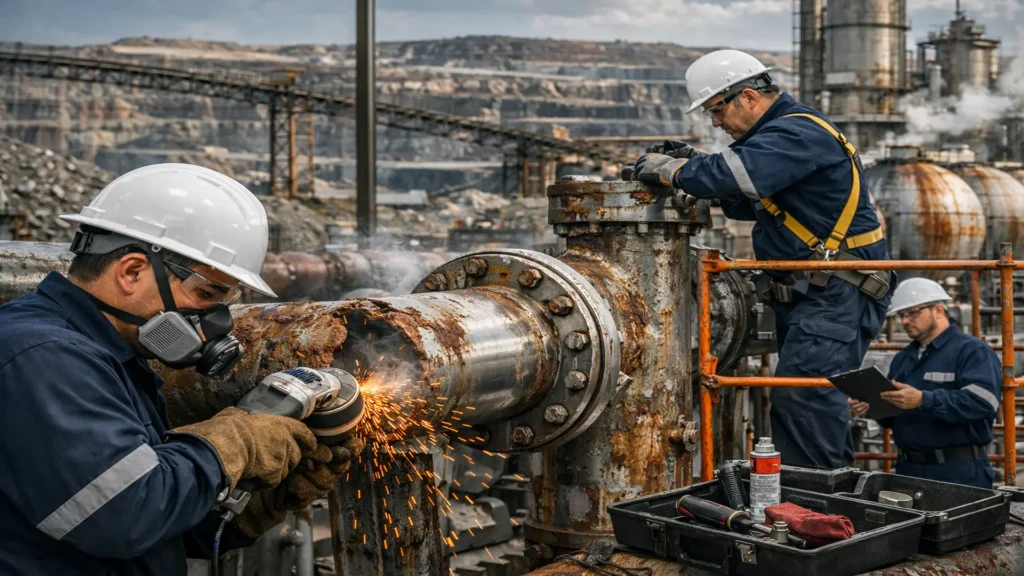
Corrosion management is key to asset integrity, reducing risk and extending industrial equipment service life through inspection and control.
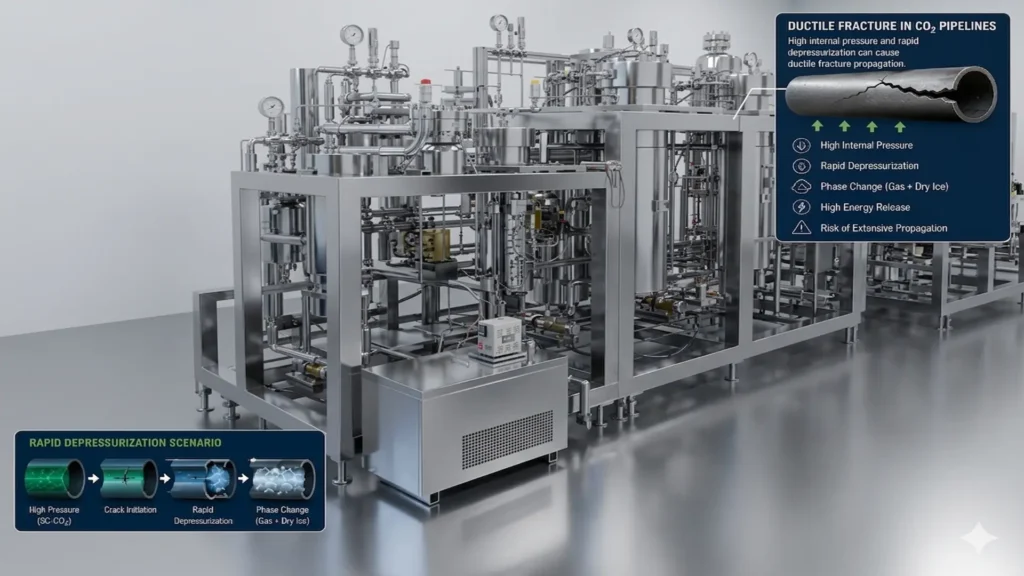
Visual technical analysis focused on operational safety and material design for CO₂ pipelines.